

Category: Uro-Oncology

What are the Benefits of Focal Therapy HIFU for Prostate Cancer Treatment?

Overview: Focal Therapy High-Intensity Focused Ultrasound (HIFU) is an innovative and targeted approach to treating prostate cancer. This cutting-edge therapy is designed to selectively treat specific areas of the prostate affected by cancer, sparing healthy tissue and minimizing side effects. HIFU utilizes ultrasound waves to generate focused and precise heat, effectively destroying cancerous cells while leaving surrounding tissues unharmed. In the realm of prostate cancer treatment, the emergence of focal therapy, particularly High-Intensity Focused Ultrasound (HIFU), has marked a revolutionary stride. This cutting-edge approach not only offers a beacon of hope for patients but also brings forth a multitude of benefits, making it a compelling choice in the fight against prostate cancer. Avoiding Overtreatment: One of the significant advantages of HIFU focal therapy is its ability to provide targeted treatment, steering clear of unnecessary interventions. Many prostate cancer cases are diagnosed at an early stage, and not all require extensive procedures like complete prostate removal. HIFU enables precision, allowing for the elimination of cancerous cells while preserving healthy prostate tissue, thereby avoiding overtreatment. Reduced Side Effects: Compared to traditional treatments such as surgery, HIFU focal therapy minimizes side effects. Preserving the integrity of the prostate helps maintain crucial functions like urinary and sexual health. Patients undergoing HIFU often experience fewer disruptions to their daily lives and a quicker recovery, enhancing their overall well-being. Improved Quality of Life: Studies have consistently shown that HIFU focal therapy contributes to an improved quality of life for prostate cancer patients. This positive impact extends beyond the patient, also benefiting their partners. The minimal alterations in sexual and urinary function post-treatment play a pivotal role in enhancing the overall quality of life for those undergoing HIFU therapy. Reduced Risk of Complications: In the landscape of healthcare costs, HIFU focal therapy shines as a cost-effective option for prostate cancer treatment. Unlike traditional surgeries and radiation therapies, which can incur substantial expenses, HIFU treatments are often more economical. This affordability ensures that patients can focus on their recovery without the added burden of exorbitant medical bills. Preservation of Prostate Function: A crucial aspect of HIFU focal therapy is its commitment to preserving prostate function. By selectively targeting cancerous areas, this therapy allows for the retention of normal prostate functions, a factor that positively impacts the overall health and well-being of the patient. Conclusion: In conclusion, HIFU focal therapy stands as a beacon of progress in the realm of prostate cancer treatment. Its benefits, from avoiding overtreatment to preserving quality of life, make it a compelling choice for those navigating the challenging journey of prostate cancer. In Delhi, with the availability of robotic surgeons in Rohini and the convenience of online cancer specialist appointments, the path to recovery becomes not only advanced but also accessible. The Rajiv Gandhi Cancer Institute and Research Centre stands as the sole institute in North India providing Focal Therapy HIFU for Prostate Cancer Treatment. Dr. Amitabh Singh is one of the best Uro-Oncologists, working as a Senior Uro Cancer Consultant at RGCIRC, with over 8 years of experience in Uro-Oncology. He is renowned for his expertise in HIFU and Radical prostatectomy and has successfully performed HIFU on several patients. Patients can rely on his skill and experience for effective prostate cancer treatment.
Read More

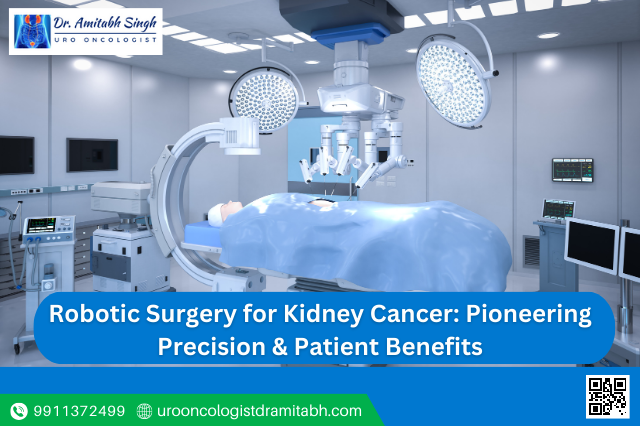
Robotic Surgery for Kidney Cancer: Pioneering Precision & Patient Benefits

Kidney cancer is one of the most prevalent forms of cancer affecting men and women worldwide. Early detection and effective treatment options are important to deal with this disease. In this article, we delve into the world of robotic surgery for kidney cancer, with a specific focus on the expertise offered by robotic surgeons in Rohini. Understanding Robotic Surgery for Kidney Cancer: Robotic surgery represents a transformative shift from conventional open surgery methods, offering a minimally invasive approach that combines cutting-edge technology with surgical precision. The da Vinci Surgical System is at the forefront of this evolution in kidney cancer treatment. Key Aspects of Robotic Surgery for Kidney Cancer: Enhanced Precision: Robotic systems provide surgeons with a three-dimensional, high-definition view of the surgical site, ensuring unparalleled precision and dexterity. The robotic arms replicate intricate human movements, allowing for complex manoeuvres with greater accuracy. Minimally Invasive Approach: Unlike traditional open surgery, robotic surgery for kidney cancer involves small, minimally invasive incisions (usually less than a centimetre in size). These smaller incisions result in less tissue trauma, reduced pain, and shorter recovery times. Shorter Hospital Stays: Patients undergoing robotic surgery for kidney cancer typically experience shorter hospital stays compared to traditional open surgery. This enables a quicker return to normal activities and daily routines. Reduced Risk of Complications: Minimally invasive robotic surgery is associated with a lower risk of infection, reduced pain, and a decreased likelihood of complications. Faster Recovery: Patients generally experience a faster recovery period and less post-operative pain after undergoing robotic surgery for kidney cancer. Improved Cosmetic Outcomes: Robotic surgery leaves smaller, less noticeable scars compared to open surgery, contributing to better cosmetic results. Enhanced Functional Outcomes: Studies have shown that robotic surgery for kidney cancer can achieve excellent cancer control rates while preserving kidney function. Robotic Surgeons for Kidney Cancer in Rohini: In the quest for cutting-edge medical care, the expertise of robotic surgeons plays a pivotal role. In Rohini and West Delhi, robotic surgeons specializing in kidney cancer bring a wealth of experience and skill to the table. Conclusion: Robotic surgery for kidney cancer is ushering in a new era of precision and patient-centred care. The amalgamation of advanced technology and the expertise of robotic Surgeons in West Delhi ensures that patients not only benefit from a minimally invasive approach but also receive world-class treatment with enhanced precision and faster recovery times. As technology continues to advance, the role of robotic surgery in kidney cancer treatment is set to become increasingly significant, providing hope and improved outcomes for those diagnosed with this challenging
Read More

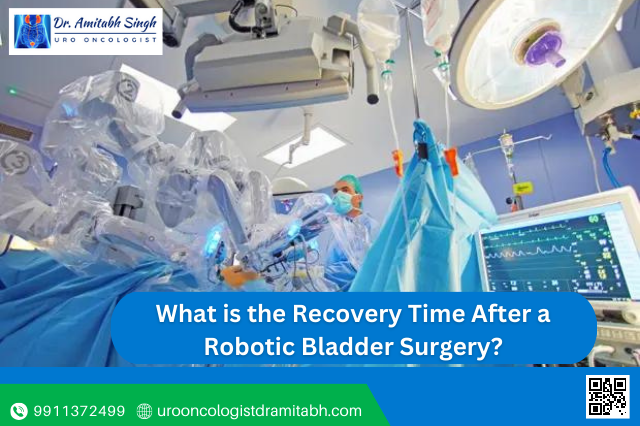
What is the Recovery Time After a Robotic Bladder Surgery?

Overview: A robotic cystectomy is a modern way of treating bladder cancer by removing part or all of the bladder. This is commonly done when there is bladder cancer that has spread to the muscle wall. Instead of a large incision, smaller cuts are made, making it less invasive than traditional open surgery. Robotic surgery is one of the recent advancements in treating cancers. Robotic cystectomy benefits from the robot’s arms and allows for greater flexibility than traditional laparoscopic methods. The robot also gives the surgeon a clear, detailed 3D view inside the abdomen, making the surgery more precise and effective. This kind of robotic surgery is a recent and helpful way to treat bladder issues, especially for those looking for a robotic surgeon for bladder cancer in West Delhi. Immediate Postoperative Period: After robotic bladder surgery, patients are typically monitored closely in the recovery room before being transferred to a hospital room. The initial 24 to 48 hours are crucial for assessing vital signs, managing pain, and ensuring the absence of any immediate complications. During this period, patients may have two to three tubes coming out of abdomen to drain urine and collected fluid at surgical site. These tunes helps patients to recover fast. Hospital Stay: The length of hospital stay following robotic bladder surgery can vary based on individual factors and the complexity of the procedure. On average, patients may stay in the hospital for approximately 3 to 10 day. The robotic surgeon for bladder in Rohini will monitor the patient’s progress, provide pain management, and gradually reintroduce normal activities. Recovery Milestones: Catheter and drain tube removal: The removal of the urine tube and abdominal drain tube is a significant milestone in the recovery process. This typically occurs a week or two after surgery, depending on the surgeon’s recommendations and the patient’s progress. Mobility and Activity: While rest is essential during the initial recovery phase, patients are encouraged to gradually resume light activities and mobility as advised by their robotic urosurgeon. Walking and gentle movements aid in preventing complications such as blood clots in calf and leg and promote overall well-being. Dietary Progression: Initially, a patient’s diet may be limited to easily digestible liquids, gradually progressing to solid foods. A balanced and nutritious diet is crucial for optimal healing and recovery. Follow-up Appointments: Regular follow-up appointments with the robotic urosurgeon in Delhi, especially in Rohini, are integral to track the patient’s progress. These appointments allow for the assessment of any lingering concerns, adjustment of medications, and the provision of guidance on resuming normal activities. Resuming Normal Activities: Depending on the complexity of the surgery and individual healing rates, patients can usually resume normal activities within 4 to 6 weeks postoperatively. However, strenuous activities and heavy lifting may need to be avoided for a more extended period. Conclusion: Robotic bladder surgery, facilitated by skilled robotic urosurgeons in Delhi, particularly in Rohini, offers patients an innovative and effective solution for bladder conditions. Understanding the recovery process is vital for patients to actively participate in their healing journey and achieve optimal outcomes. With the guidance of experienced robotic surgeons, individuals can navigate the road to recovery with confidence, reclaiming their health and quality of life. To enhance accessibility to comprehensive care, consider scheduling an online cancer specialist appointment for a seamless and efficient consultation process.
Read More

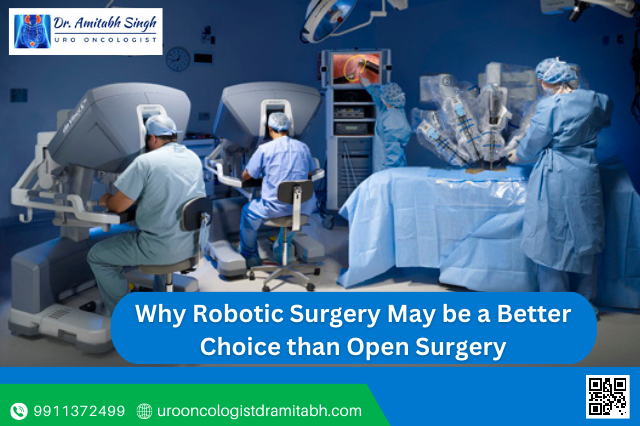
Why Robotic Surgery May Be a Better Choice than Open Surgery

Many people may have heard of the term “robotic surgery,” especially when faced with the decision of choosing a surgeon for their medical needs. Robotic urosurgeon in Delhi offers a modern and highly technical approach to surgery, and it is essential to understand what this entails. Robotic surgery is not as intimidating as it may seem and often presents numerous advantages. When considering surgical procedures, patients should inquire whether robotic surgery is a suitable option. Here is some detailed information about this innovative surgical method. To begin with, what exactly is robotic surgery? Robotic surgery, also known as robotic-assisted surgery, is a minimally invasive surgical technique where skilled surgeons use a console equipped with controllers to manipulate robotic arms. This console, typically referred to as a da Vinci surgical system, is equipped with a 3-D high-definition camera that provides a magnified and clear view of the target area. Using the console’s precise instruments, the surgeon can create small incisions, cauterize, staple, grasp, and perform various actions, much like they would with their hands. It’s important to note that despite the term “robotic surgery,” the surgeon maintains full control over the movement of all instruments. What are some of the benefits of robotic surgery when considering a uro onco specialist Rohini? Robotic surgery offers several advantages compared to traditional open surgery, including: Smaller incisions Lower risk of infection Shorter hospital stays Reduced pain and blood loss Faster recovery times Minimized scarring Many surgeons prefer this advanced surgical method for several reasons. Robotic surgery offers superior visualization compared to laparoscopic surgery, making it an attractive option for surgeons. The robot platform also aids surgeons in assessing blood supply to organs and identifying intricate structures that are challenging to see, such as bile ducts. Furthermore, robotic instruments, such as robotic staplers, have built-in fail-safes to prevent errors during surgery. Is robotic surgery a better choice, especially when seeking a robotic urological surgeon West Delhi? The answer isn’t straightforward. Each surgical technique has its specific applications. In some cases, open surgery may provide better access to the targeted area. Additionally, a patient’s medical condition or age might necessitate open surgery. However, an increasing number of complex surgeries are being performed robotically. For instance, robotic techniques have made hernia surgery more accessible for certain surgeons. It’s important to note that robotic surgical techniques and instruments continue to improve each year. In the future, patients in Delhi may find it easier to make informed decisions when choosing between robotic and open surgery. If you’re considering robotic surgery, including consultations with a robotic urooncologist or wish to make an online cancer specialist appointment, don’t hesitate to discuss these options with your healthcare provider. These advanced surgical methods have the potential to enhance your surgical experience and improve your overall health outcomes.
Read More

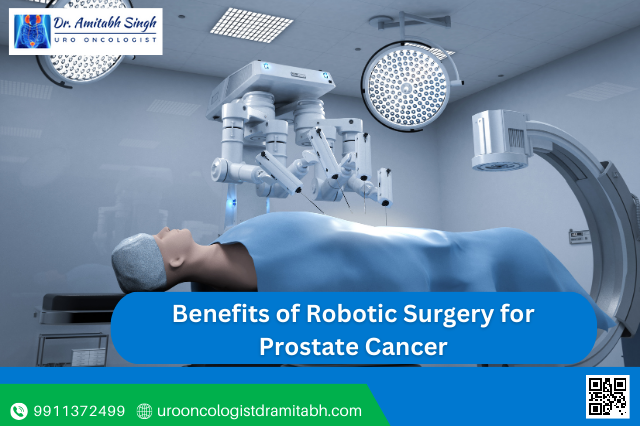
What are the Benefits of Robotic Surgery for Prostate Cancer?

Prostate cancer is a common type of cancer in Indian men. It starts in the prostate gland, which is a part of the male reproductive system located near the urinary bladder, and seminal vesicles. As men get older, the prostate often gets larger. Sometimes, this growth can lead to cells growing uncontrollably, forming tumours. This can cause problems like trouble urinating, blood clots, and infections. When people find out they have prostate cancer, they often want to know what comes next. The key to treating prostate cancer successfully is finding it early and removing the prostate with surgery. As the Senior Prostate Cancer Consultant, we usually recommend surgery as the first option. But there are other choices too like radiation and focal therapy (HIFU). Surgery, whether it’s done with a big cut of open surgery or with a robot, involves taking out the prostate gland, seminal vesicles, and pelvic lymph nodes if needed. For most patients, What is Robotic Prostatectomy? Robotic prostatectomy is a surgery where surgical robot are used to remove prostate with small incisions. This procedure has been around for a long time and works really well. We use a robot called Da Vinci to do these surgeries. The robot gives surgeons a clear view during the surgery, making it easier to see important things like nerves and blood vessels. Using the Da Vinci robot helps surgeons finish the robotic prostatectomy faster and with less risk to the patient. It also lowers the chance of complication and makes the whole process more efficient, leading to better results for the patient. Benefits of Robotic Surgery for Prostate Cancer Small Incisions Doctors make small cuts on abdomen. These tiny cuts allow them to put in small tools with cameras to see inside the abdomen and perform surgery. Less Harm to Tissues The prostate is surrounded by important stuff like the rectum, veins, artery, nerve and muscles for peeing and sex. Regular surgery can make it hard to see these things and might damage them, causing issues like trouble peeing and problems with sex. Robotic surgery makes it easier to see and avoids these problems. Less Pain, Faster Healing, Less Blood Loss Robotic surgery hurts less than regular surgery. It’s more precise, so patients heal faster with fewer problems. Small cuts mean less blood loss, and needing a blood transfusion is rare. Most people go home 1-2 days after surgery, feeling little pain that can be managed with a few painkillers. Is Robotic Prostatectomy for Everyone? Not everyone can get robotic prostate cancer surgery. It depends on things like age and health. Especially, those patients who are having poor heart and lungs usually are not fit for robotic surgery. Robotic Prostatectomy in Delhi NCR For the best robotic prostatectomy, schedule an online oncologist consultation in Delhi. Dr. Amitabh Singh, Senior robotic urooncologist, offering expertise in all specialties. Don’t delay, book your online cancer specialist appointment today!
Read More

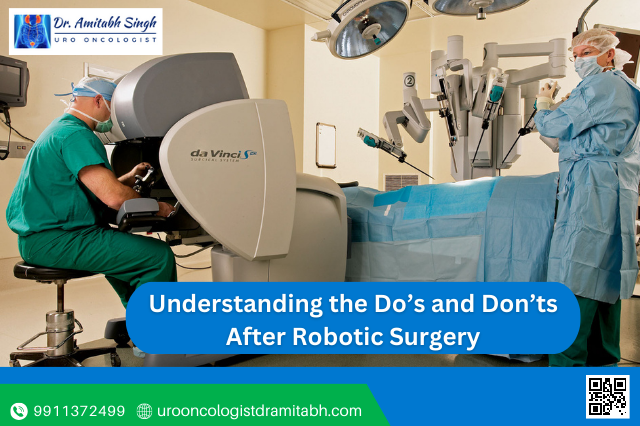
Understanding the Do’s and Don’ts After Robotic Surgery

Robotic surgery is a cutting-edge medical technology that offers patients minimally invasive procedures, faster recovery times, and reduced pain compared to traditional surgery. Whether you’ve undergone robotic surgery performed by robotic urooncologist, it’s essential to know what to do and what to avoid during the crucial post-operative period. Do’s After Robotic Surgery: Follow Medical Advice: Always adhere to the post-operative instructions provided by your surgical team. These guidelines are tailored to your specific case and play a critical role in your recovery. Prioritize Rest: Give your body the rest it needs to heal. Adequate sleep and relaxation are essential. Stay Hydrated: Proper hydration supports healing. Drink enough water to aid your body’s recovery. Healthy Eating: Consume a balanced diet rich in nutrients to fuel the healing process. Your body requires these resources for repair. Pain Management: Take pain medication as prescribed by your healthcare provider. Effective pain management is key to your comfort. Don’ts After Robotic Surgery: Avoid Strenuous Activities: Steer clear of heavy lifting and strenuous activities until your surgeon gives you the green light. Quit Smoking: If you smoke, avoid smoking during your recovery. Smoking can slow the healing process. Refrain from Alcohol: It’s advisable to abstain from alcohol consumption while taking medications, as it can interact with them. Don’t Rush Back to Work: Give yourself the necessary time to recover before returning to work. Rushing can hinder your healing. Say No to Tight Clothing: Choose loose-fitting, comfortable clothing to prevent irritation or pressure on the surgical site. Expert Guidance and Online Consultations: If you have concerns or questions during your recovery, consider booking an online cancer specialist appointment. They can provide guidance, address concerns, and offer reassurance regarding your post-robotic surgery journey. Conclusion: In conclusion, the key to a successful recovery after robotic surgery is to follow your surgeon’s recommendations diligently, maintain a healthy lifestyle, and seek the guidance of specialists when needed. By adhering to these guidelines, you can look forward to a smoother recuperation and a brighter, healthier future.
Read More

Myths and Facts About Robotic Surgery for Cancer

Overview: Focal Therapy High-Intensity Focused Ultrasound (HIFU) is an innovative and targeted approach to treating prostate cancer. This cutting-edge therapy is designed to selectively treat specific areas of the prostate affected by cancer, sparing healthy tissue and minimizing side effects. HIFU utilizes ultrasound waves to generate focused and precise heat, effectively destroying cancerous cells while leaving surrounding tissues unharmed. In the realm of prostate cancer treatment, the emergence of focal therapy, particularly High-Intensity Focused Ultrasound (HIFU), has marked a revolutionary stride. This cutting-edge approach not only offers a beacon of hope for patients but also brings forth a multitude of benefits, making it a compelling choice in the fight against prostate cancer. Avoiding Overtreatment: One of the significant advantages of HIFU focal therapy is its ability to provide targeted treatment, steering clear of unnecessary interventions. Many prostate cancer cases are diagnosed at an early stage, and not all require extensive procedures like complete prostate removal. HIFU enables precision, allowing for the elimination of cancerous cells while preserving healthy prostate tissue, thereby avoiding overtreatment. Reduced Side Effects: Compared to traditional treatments such as surgery, HIFU focal therapy minimizes side effects. Preserving the integrity of the prostate helps maintain crucial functions like urinary and sexual health. Patients undergoing HIFU often experience fewer disruptions to their daily lives and a quicker recovery, enhancing their overall well-being. Improved Quality of Life: Studies have consistently shown that HIFU focal therapy contributes to an improved quality of life for prostate cancer patients. This positive impact extends beyond the patient, also benefiting their partners. The minimal alterations in sexual and urinary function post-treatment play a pivotal role in enhancing the overall quality of life for those undergoing HIFU therapy. Reduced Risk of Complications: In the landscape of healthcare costs, HIFU focal therapy shines as a cost-effective option for prostate cancer treatment. Unlike traditional surgeries and radiation therapies, which can incur substantial expenses, HIFU treatments are often more economical. This affordability ensures that patients can focus on their recovery without the added burden of exorbitant medical bills. Preservation of Prostate Function: A crucial aspect of HIFU focal therapy is its commitment to preserving prostate function. By selectively targeting cancerous areas, this therapy allows for the retention of normal prostate functions, a factor that positively impacts the overall health and well-being of the patient. Conclusion: In conclusion, HIFU focal therapy stands as a beacon of progress in the realm of prostate cancer treatment. Its benefits, from avoiding overtreatment to preserving quality of life, make it a compelling choice for those navigating the challenging journey of prostate cancer. In Delhi, with the availability of robotic surgeons in Rohini and the convenience of online cancer specialist appointments, the path to recovery becomes not only advanced but also accessible. The Rajiv Gandhi Cancer Institute and Research Centre stands as the sole institute in North India providing Focal Therapy HIFU for Prostate Cancer Treatment. Dr. Amitabh Singh is one of the best Uro-Oncologists, working as a Senior Uro Cancer Consultant at RGCIRC, with over 8 years of experience in Uro-Oncology. He is renowned for his expertise in HIFU and Radical prostatectomy and has successfully performed HIFU on several patients. Patients can rely on his skill and experience for effective prostate cancer treatment.
Read More